

How to Eat for $20 a Week: Budget Survival Guide
Introduction to Eating on an Extreme Budget
Trying to eat on a tight budget can feel impossible—but it doesn’t have to be.
Download my free $50 weekly meal plan (grocery list + full menu) here.
Figuring out how to eat for $20 a week isn’t just a budgeting exercise—it’s a survival skill. When money gets tight, food becomes one of the few flexible expenses you can control immediately. This guide isn’t about trendy recipes or aesthetic meals. It’s about making sure you don’t go hungry while spending as little as possible.
For many people, this situation comes up during financial emergencies—waiting for a paycheck, dealing with unexpected bills, or aggressively cutting expenses. And while a $20 weekly food budget is far from ideal, it can be done with careful planning and realistic expectations.
Why People Need Ultra-Low Grocery Plans
There are real-world scenarios where this kind of plan becomes necessary:
- Sudden income loss or reduced hours
- Emergency savings mode
- High rent or debt payments
- Inflation-driven food cost increases
In fact, rising grocery prices have made budget meal planning more important than ever. Even basic staples can add up quickly without a strategy.
Is $20 a Week Actually Sustainable?
Short answer: yes—but only short-term.
This approach prioritizes calories and fullness over variety and perfect nutrition. According to the USDA, a balanced diet requires a mix of food groups, which is difficult to maintain on such a tight budget.
However, if your goal is to get through a tough week without overspending, this plan works.
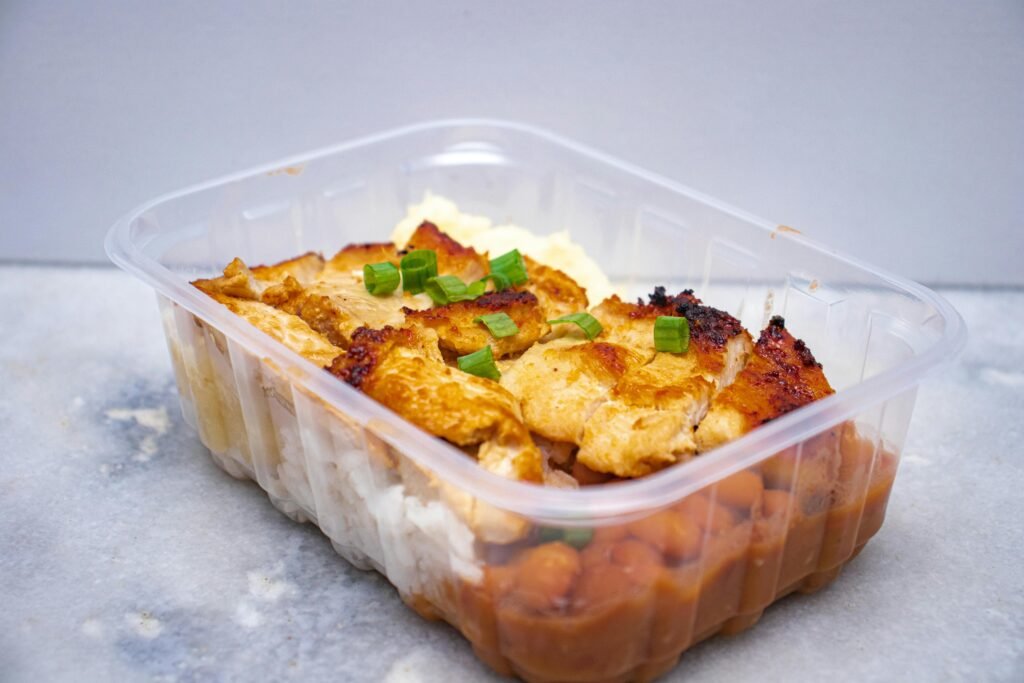
What a $20 Grocery Budget Really Means
A $20 grocery budget forces you into intentional decision-making. Every item must serve multiple purposes.
Financial Reality and Trade-Offs
Here’s what you’re realistically signing up for:
- Repetitive meals
- Limited fresh produce
- No snacks or convenience foods
- Minimal seasoning unless already owned
This isn’t about enjoying food—it’s about maximizing value per calorie.
Nutritional Limitations and Smart Adjustments
While the plan is carb-heavy, you can still make smart choices:
- Eggs provide affordable protein and fat
- Beans add fiber and nutrients
- Frozen vegetables offer vitamins at a low cost
If you already have salt, oil, or spices, your meals instantly improve without increasing cost.
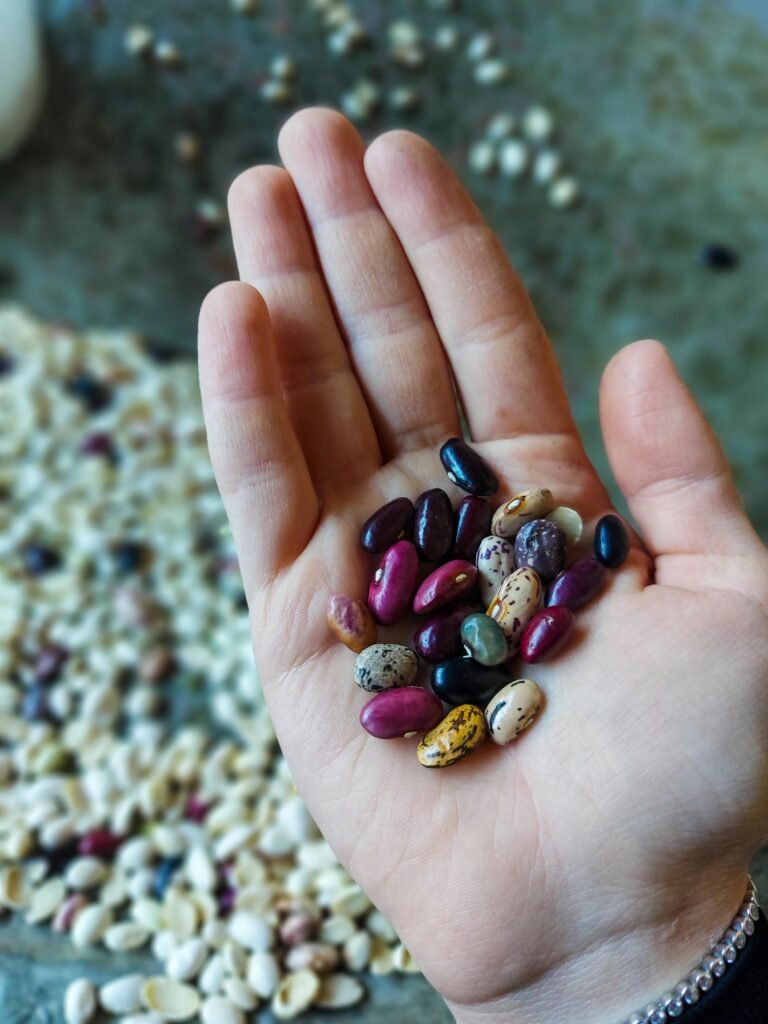
Full $20 Grocery List with Cost Breakdown
Core Budget Staples Explained
Each item in this list is chosen for a reason:
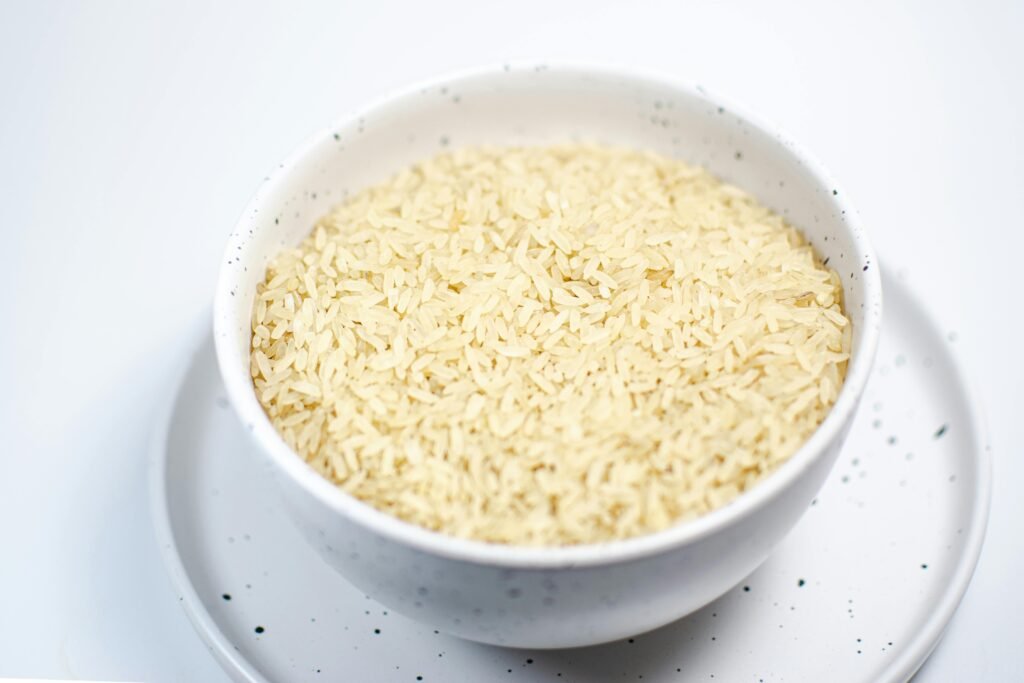
- Rice: Cheap, filling, and versatile
- Beans: Protein + fiber combo
- Eggs: One of the best budget proteins
- Potatoes: Extremely filling and flexible
- Pasta: High calorie and easy to cook
- Peanut Butter: Dense calories and fats
- Frozen Vegetables: Affordable nutrition
Price Breakdown and Shopping Strategy
| Item | Estimated Cost |
|---|---|
| Rice (2 lb) | $2 |
| Beans | $1.50 |
| Eggs | $3 |
| Bread | $2 |
| Peanut Butter | $2 |
| Pasta | $2 |
| Sauce | $2 |
| Potatoes (5 lb) | $4 |
| Frozen Veggies | $2 |
Total: ~$20–$22
Shopping at Aldi or Walmart helps you stay within budget.
7-Day Budget Meal Plan (Detailed)
The success of how to eat for $20 a week depends on structure and discipline.
Breakfast Plan with Calorie Strategy
Breakfast should be simple but filling:
- 2 eggs + 1 slice toast (~250–300 calories)
- Peanut butter toast (~300–350 calories)
- Leftover potatoes (~200–300 calories)
The goal is to start the day with enough energy without overusing ingredients.
Lunch Plan for Energy and Simplicity
Lunch focuses on repeatable, no-fuss meals:
- Peanut butter sandwich (~350 calories)
- Rice and beans (~400–500 calories)
- Leftovers
These meals are cheap, portable, and require minimal prep.
Dinner Plan Day-by-Day (Full Detail)
Day 1–2:
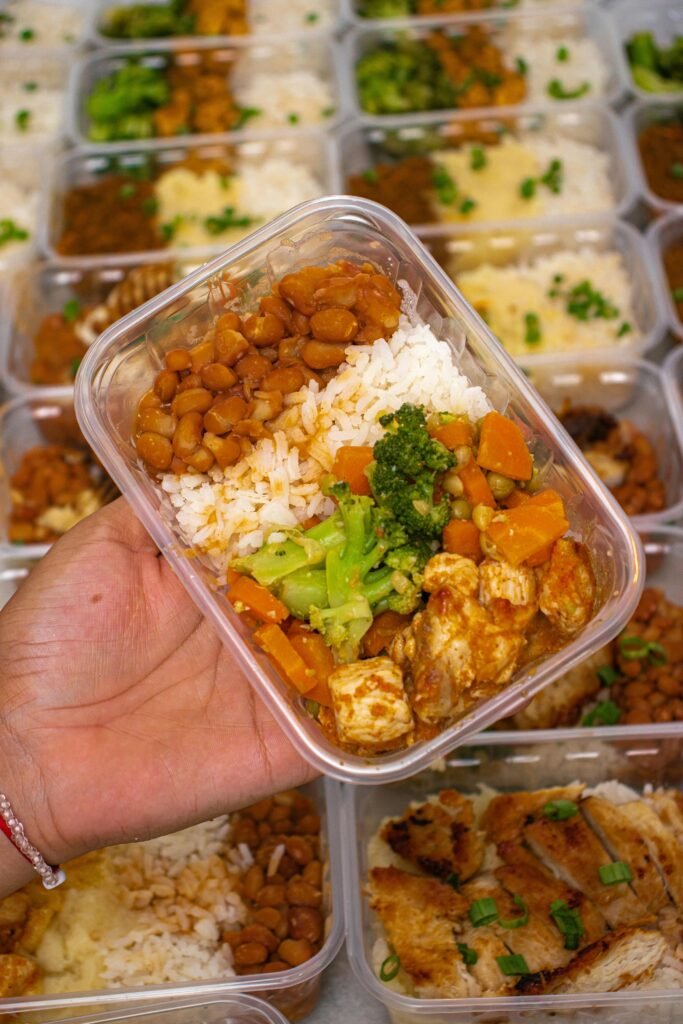
Cook a large batch of rice and beans. Add frozen vegetables for volume. This becomes your foundation meal.
Day 3:
Cook half your pasta and use half the sauce. Save the rest for later.
Day 4:
Make an egg and potato skillet. This meal is dense, warm, and very filling.
Day 5:
Combine leftover rice, vegetables, and eggs into a “fried rice” style dish.
Day 6:
Finish remaining pasta and sauce.
Day 7:
Mix remaining ingredients—this prevents waste and ensures nothing is thrown away.
Want this broken down into a simple, printable plan?
Grab the free $50 meal plan PDF here
Simple but Filling Budget Recipes
Rice and Beans with Variations
This is your survival meal. You can adjust it by:
- Adding vegetables
- Changing texture (thicker or soup-like)
- Mixing in eggs
Egg and Potato Skillet (High Satiety Meal)
Potatoes are extremely filling due to their density. When combined with eggs, you get a meal that keeps hunger away for hours.
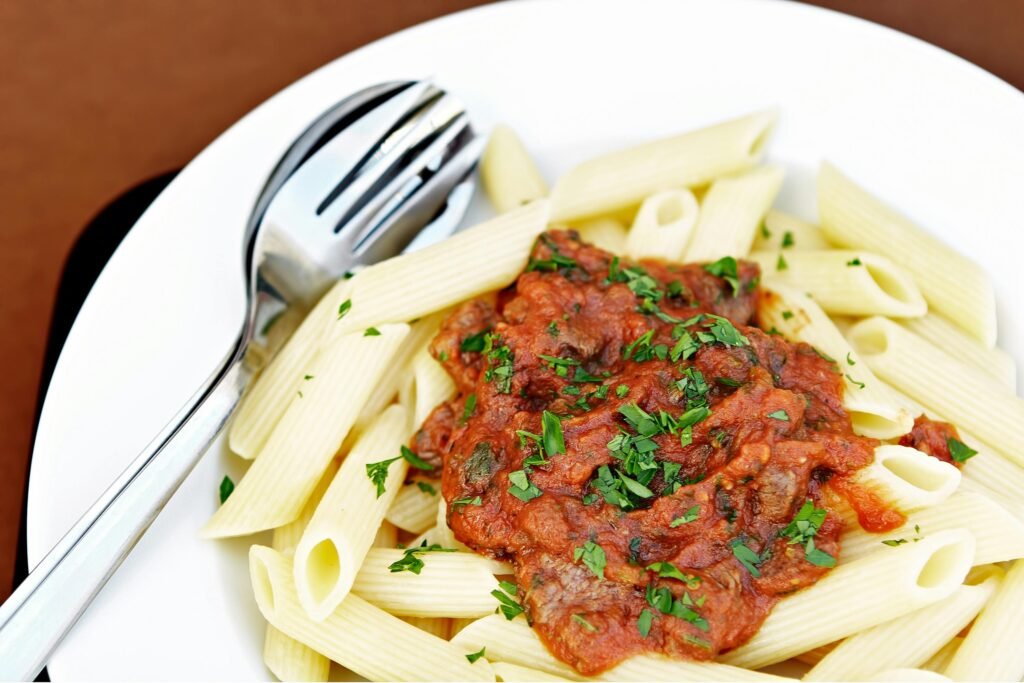
Stretchable Pasta Meals
Use less sauce per serving to extend portions. Adding vegetables can bulk it up without much cost.
How to Stretch Groceries Across 7 Days
Batch Cooking System
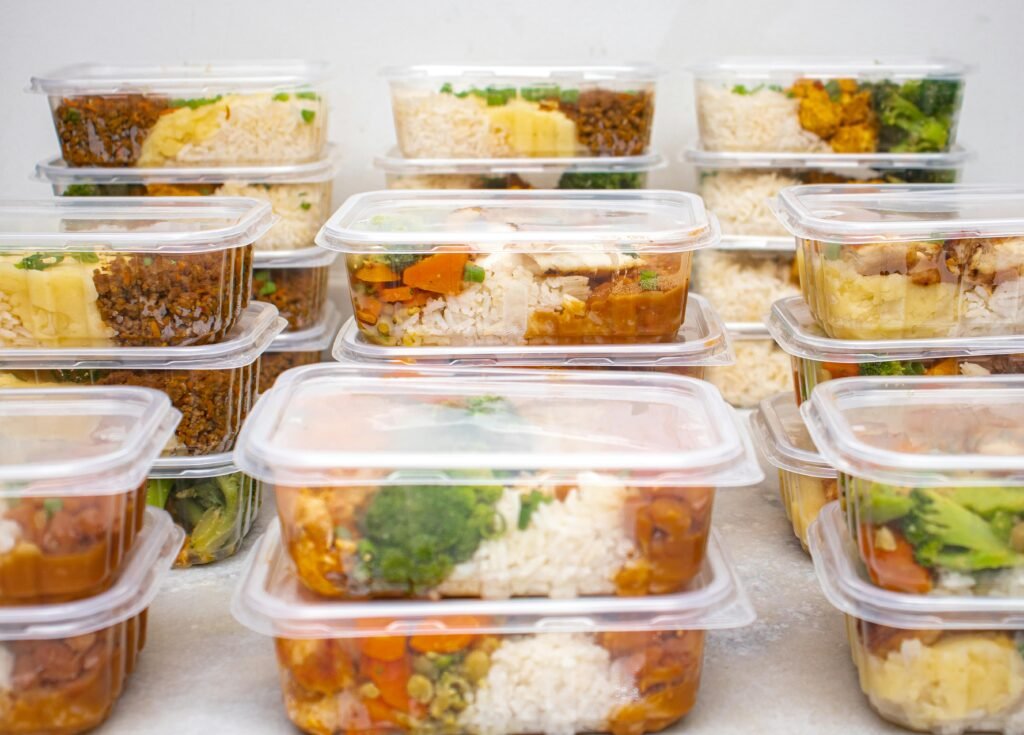
Cook once, eat multiple times:
- Prepare large portions early
- Store properly
- Reheat as needed
This reduces effort and prevents waste.
Portion Control and Hunger Management
- Eat consistent portions daily
- Avoid overeating early
- Drink water to stay full
Managing hunger is just as important as managing food.
Cheap Work Lunches That Actually Work
Portable Meals for Busy Schedules
- Peanut butter sandwiches
- Rice and beans
- Pasta leftovers
- Cooked potatoes
These meals travel well and cost very little.
Meal Prep Efficiency Tips
- Prep meals in advance
- Use containers
- Keep meals simple
How to Upgrade This Plan with $5–$10
Nutrition Improvements
Adding a small amount can dramatically improve your meals:
- Rotisserie chicken (multi-meal protein)
- Extra eggs
- Canned tuna
Flavor and Satisfaction Boosters
- Cheese
- Better bread
- Basic spices
These upgrades improve both taste and satisfaction.
Common Mistakes That Break the Budget
Front-Loading Calories
Eating too much early in the week leads to shortages later.
Wasting Ingredients
Throwing away food is the fastest way to fail this plan.
FAQs
1. Is eating for $20 a week safe?
Short-term, yes. Long-term, it lacks balance.
2. What foods give the most calories per dollar?
Rice, beans, potatoes, and peanut butter.
3. Can I include meat?
Only if you reduce other items or find discounts.
4. How do I stay full?
Focus on high-carb, high-volume foods.
5. Where should I shop?
Aldi and Walmart.
6. Is this plan good for families?
It’s difficult—best for individuals.
Final Thoughts
Mastering how to eat for $20 a week is about discipline, planning, and making smart trade-offs. It’s not glamorous—but it works when you need it.
As your financial situation improves, you can expand this plan into something more balanced while still keeping your grocery spending under control.
Leave a Reply
You must be logged in to post a comment.