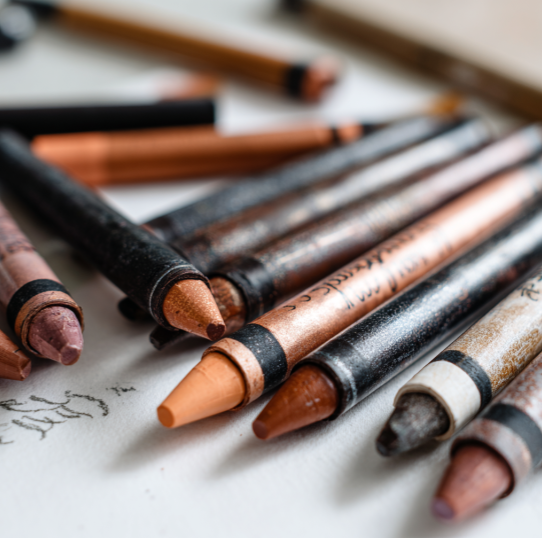
Every time I hand my daughter a crayon and a blank page, I’m reminded that she’s not just coloring inside the lines — she’s coloring her world.
As a mom of a beautiful child of color, I’ve thought a lot about how the images, stories, and characters she meets early on shape who she believes she can be. Because representation doesn’t start in high school, or even in the middle grades. it starts as soon as our kids pick up that first crayon.
And when our Black and brown children don’t see themselves reflected in their books, films, or even coloring books, the absence sends a message. When they do see themselves — joyfully, powerfully, and beautifully — it builds a foundation of confidence, identity, and belonging.
In this piece, we’ll explore why representation matters early, what the research says about how children of color are portrayed, and how we can use intentional tools (like my coloring book, Brave, Brown & Brilliant) to rewrite that story — one crayon at a time.
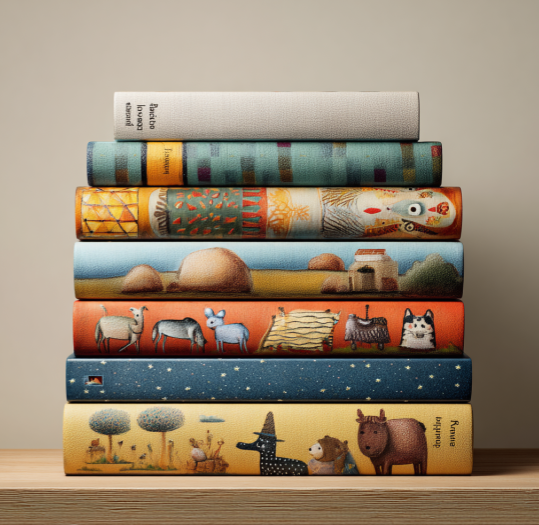
Why Representation Matters — Especially in Childhood
Representation means seeing yourself. Your features, your family, your story — reflected in the world around you.
For Black and brown children, that simple reflection can shape how they see their place in the world. Studies show that by age 3, children begin to notice racial and cultural differences, and by age 5, they can start forming identity-related beliefs based on what they see in their environment.
If a child’s early experiences in books, TV shows, or toys show mostly one type of family or skin color, they learn that certain people are “the heroes” while others remain in the background.
But when our children see someone with skin like theirs leading the story, the message becomes: I belong. I am capable. I am seen.
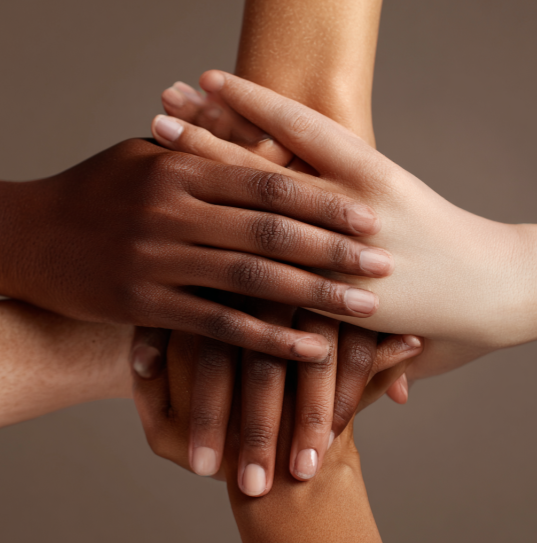
Understanding the Term “BIPOC”
Throughout this article, you’ll see the term BIPOC, which stands for Black, Indigenous, and People of Color.
This inclusive term acknowledges:
Black communities — who have faced centuries of underrepresentation and stereotyping.
Indigenous communities — whose stories, languages, and faces have often been erased or misrepresented in mainstream media.
People of Color — including Latino/a/x, Asian, Pacific Islander, Middle Eastern, and other racially diverse groups.
When we talk about BIPOC children, we’re talking about all children who have historically been underrepresented in the stories and images that shape our shared culture.
What the Research Shows About Representation Gaps
The statistics are clear — and they tell a sobering story.
A 2018 study by the Cooperative Children’s Book Center (CCBC) found that only 10% of children’s books featured Black characters, 7% featured Asian characters, 5% featured Latino/a characters, and 1% featured Indigenous characters — while over 50% featured white characters.
From 1923 to 2019, only 2% of characters pictured in mainstream children’s books were Black, even though Black people make up over 13% of the U.S. population.
In 2024, CCBC reported that 46% of books had some BIPOC representation, but only 37% had a primary BIPOC character.
That’s progress — but still far from balance.
Meanwhile, children of color make up more than 50% of U.S. public school students. The gap between who’s in the classroom and who’s on the page sends a silent message — and our kids pick up on it.
When Representation Is Negative or Missing
Stereotypes That Stick
When children of color are represented, too often it’s through limited or negative portrayals.
In news media, Black families are frequently depicted in stories about poverty or crime, while white families are shown in positive or “everyday life” contexts.
A Pew Research Center report found that 63% of Black adults believe news coverage about Black people is more negative than coverage about other groups.
These patterns spill into entertainment and publishing — sometimes subtly, sometimes overtly — teaching kids who the “default” hero is and who plays the sidekick.
The Problem With Absence
Absence is its own message.
If a Black or brown child rarely sees anyone who looks like them in their books or shows, it tells them: You are not the main character.
And because kids learn who’s “normal” through repetition, invisibility becomes internalized. That’s why early representation — even in something as small as a coloring page — matters more than we realize.
Tokenism Isn’t Enough
Including one token character of color in a sea of white faces doesn’t solve the problem either. True representation is about depth, variety, and joy — not checking a box.
How Representation Builds Confidence and Self-Love
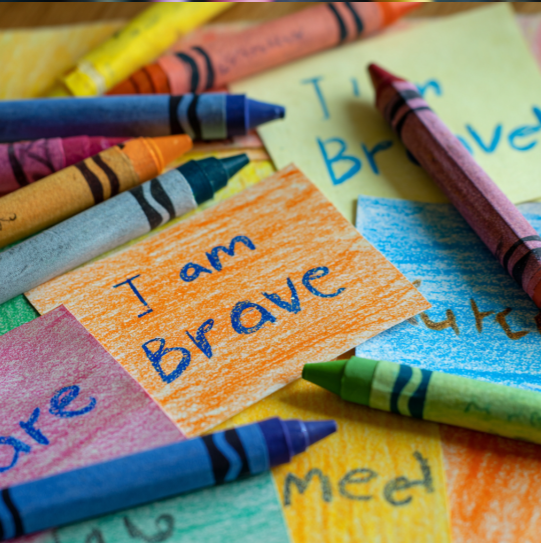
When a Black or brown child colors a page, reads a book, or watches a movie that reflects their world, they get more than entertainment — they get validation.
They learn:
My story matters.
My skin tone is beautiful.
People who look like me can do amazing things.
Positive representation encourages self-esteem, pride, and curiosity. It also helps build resilience. Kids who see themselves portrayed with strength and joy are more likely to challenge stereotypes later in life.
From Idea to Impact: My Coloring Book for Brave, Brown & Brilliant Kids
Let’s talk about something close to my heart.
When I went looking for coloring books for my daughter, I noticed something: so few pages reflected her. There were plenty of princesses, superheroes, and fairies — but almost none with brown skin, curly hair, or faces that looked like hers.
And that’s when I realized: representation starts even with a crayon.
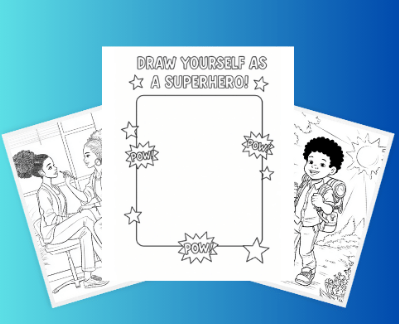
That moment inspired me to create “Brave, Brown & Brilliant: An Affirmation Coloring Book” by Alyssa K. Gordon — a joyful, confidence-building coloring experience made especially for Black and brown children.
Inside, you’ll find:
✨ Uplifting affirmations that remind kids how strong, capable, and special they are.
🖍️ Beautiful illustrations of children of color reading, laughing, exploring, and dreaming — just being their full selves.
💖 Inclusive imagery that helps every child feel celebrated and seen.
I wanted my daughter — and every child who picks up a crayon — to see themselves as bold, brilliant, and worthy of every color on the page.
If you’re looking for something to nurture confidence and self-love in your child, I’d love for you to check it out on Amazon:
👉 Brave, Brown & Brilliant: An Affirmation Coloring Book by Alyssa K. Gordon
How Parents Can Foster Representation at Home
Here are some simple, real-world ways to make representation a daily part of your child’s growth:
| Step | Action | Why It Matters |
|---|---|---|
| 1️⃣ | Audit your bookshelf | Count how many books feature Black or brown main characters. Awareness is the first step. |
| 2️⃣ | Add one new “mirror” book this month | Books are mirrors and windows — they show kids themselves and others. |
| 3️⃣ | Talk about what they see | Ask, “Did this character look like you? How did that make you feel?” |
| 4️⃣ | Support small, diverse creators | Buy books and art from BIPOC authors, illustrators, and brands (like Brave, Brown & Brilliant 😉). |
| 5️⃣ | Make your own stories | Encourage your child to draw or write about themselves as the main character. |
What I’ve Learned Along the Way
Representation is not a luxury — it’s a necessity.
It’s okay if your bookshelf isn’t perfect; start where you are.
You, as a parent or caregiver, are your child’s first representation of possibility.
The little things — like coloring pages, bedtime stories, and affirmations — shape big self-beliefs.
When our children see themselves in their art, their imagination expands — and confidence follows.
FAQs About Representation and Kids
Q1: What does BIPOC mean?
BIPOC stands for Black, Indigenous, and People of Color. It’s a term that highlights underrepresented communities who have historically been left out of mainstream stories and images.
Q2: Does representation really affect a child’s confidence?
Yes! Research shows that children who see themselves reflected positively in media and books are more likely to develop healthy self-esteem and a stronger sense of identity.
Q3: My child isn’t talking about race — does representation still matter?
Absolutely. Even if your child doesn’t verbalize it, they absorb the visual cues around them. Representation builds subconscious messages of worth and belonging.
Q4: Can white children benefit from diverse representation, too?
Yes! Seeing diverse stories helps all children build empathy, understanding, and respect for others.
Q5: How can I find more diverse books and toys?
Look for publishers and creators who focus on multicultural content. Websites like Social Justice Books and We Need Diverse Books offer great curated lists.
Q6: Where can I find Brave, Brown & Brilliant?
You can find it on Amazon here: Brave, Brown & Brilliant: An Affirmation Coloring Book by Alyssa K. Gordon. It’s designed to help every child of color see themselves as confident, creative, and worthy — one page at a time.
In Closing: The Power of a Crayon
Mama, when your child picks up that crayon, they’re not just coloring a picture — they’re coloring their identity, their dreams, their sense of belonging.
Representation isn’t just a buzzword. It’s a bridge — from childhood curiosity to lifelong confidence.
And when our children of color see themselves fully — in books, shows, and yes, coloring pages — they don’t just feel included; they feel important.
Here’s to raising a generation of brave, brown, brilliant kids who know their stories matter. 💛
Leave a Reply
You must be logged in to post a comment.